
?Buying Property in Kuwait or Dubai


Have you ever wondered which city, Kuwait or Dubai, offers greater profitability for your property purchase? Can you imagine how the right choice could transform your financial future? By reading this article, you will gain a specialized and professional perspective on comparing real estate investments in Dubai and Kuwait, which will significantly help you make an informed decision. At IntRealEstates, as providers of various types of properties in Dubai, from apartments to townhouses and penthouses, we will assist you on your journey to buying property in Dubai and obtaining residency in this city, relying on the knowledge and experience of our expert team.
Why Do Kuwaiti Investors Prefer Dubai for Property Purchase?
Kuwaiti investors are drawn to Dubai’s dynamic real estate market for multiple reasons. These factors not only offer attractive investment opportunities but also provide unique economic and legal advantages that are less common in Kuwait. The most important reasons for this preference include:
- Tax-Free Investment: In Dubai, there are no property taxes, capital gains taxes, or rental income taxes, which significantly increases profitability for investors.
- Strong Kuwaiti Dinar to UAE Dirham Exchange Rate: Every 1 Kuwaiti Dinar is approximately equivalent to 12 UAE Dirhams, which considerably boosts the purchasing power of Kuwaiti investors in Dubai.
- High Rental Yields: In prime areas of Dubai, rental yields can range between 6% and 9%, making this return on investment highly attractive and competitive.
- Golden Visa Option: By buying property in Dubai valued at over 750,000 AED, investors qualify for Dubai residency through the Golden Visa, which offers numerous benefits for them and their families.
- Stable and Growing Market: In the first quarter of 2025, property prices in Dubai experienced a 5.3% growth, indicating the stability and continuous growth of this market.
- Geographical Proximity: Dubai is only a one-and-a-half-hour flight from Kuwait, making it an ideal location for a second home or even permanent residency for some Kuwaiti citizens.

Legal Conditions and Financing Options for Property Purchase in Dubai
For Kuwaiti investors, the process of buying property in Dubai offers relative transparency and ease. Kuwaitis can easily purchase freehold properties in designated areas such as Dubai Marina, Downtown Dubai, and Palm Jumeirah, as well as leasehold properties for up to 99 years. Required documents include a valid Kuwaiti passport, a copy of the national ID card, proof of financial capability (such as bank statements), and a power of attorney (if purchasing remotely).
For financing, various options are available to Kuwaiti buyers:
- Cash Purchase: This is the best option to avoid paying interest. Some developers even offer 5% to 10% discounts for cash purchases.
- Dubai Mortgage: Kuwaiti citizens can obtain up to 75% financing. Interest rates typically range between 4.5% and 6%. Required documents include bank statements from the last 6 months, a salary certificate, and a Kuwaiti credit report. Additionally, in 2025, new Islamic finance options have become available through Dubai Islamic Bank.
- Financing from Kuwaiti Banks: Some Kuwaiti banks also offer loans for buying property in Dubai, usually requiring a 30% to 40% down payment.
Read More: Dubai Property Purchase Laws
Choosing the Right Property and Fund Transfer Process in Dubai
For buying apartments in Dubai or luxury villas, Kuwaiti investors prefer specific areas:
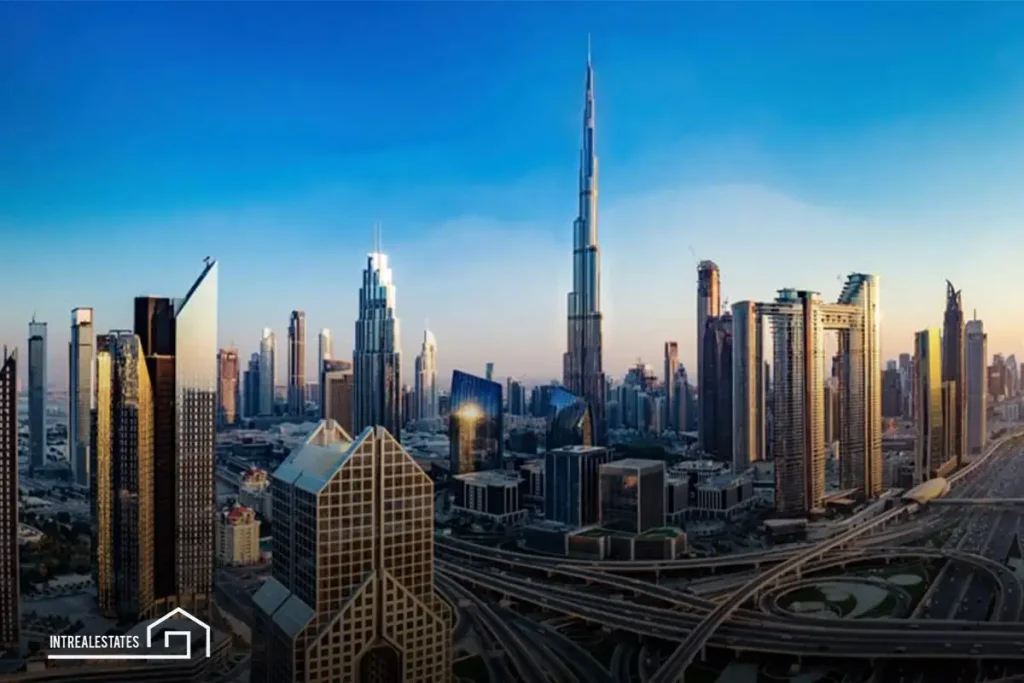
- Downtown Dubai: Luxury apartments priced from 2 to 8 million AED with 5-6% rental yields.
- Dubai Hills: Villas priced from 3 to 12 million AED with 6-7% rental yields.
- Jumeirah Village Circle: Affordable homes priced from 800,000 to 2 million AED with 7-9% rental yields.
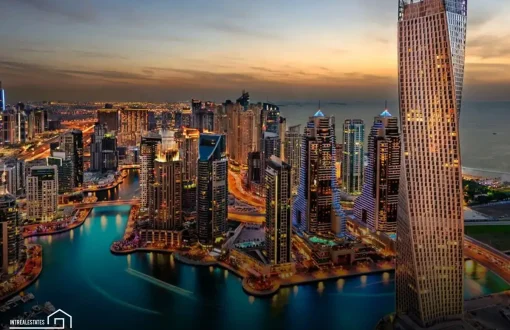
Many Kuwaiti investors are looking to buy townhouses in Dubai or penthouses in Dubai, and generally prefer waterfront properties in Dubai Marina and Palm Jumeirah.
Transferring funds from Kuwait to Dubai is also a simple process. This can be done via bank transfer (KNET or direct SWIFT) or exchange houses (which often offer better rates than banks). Installment payments to the developer can also be made directly in UAE Dirhams. It is mandatory to keep all transfer receipts for registration with the Dubai Land Department (DLD).
Working with Real Estate Consultants and Property Registration in Dubai
Finding a trustworthy real estate consultant in Dubai is crucial for buying property in Dubai. It is advisable to look for RERA-certified professionals and check reviews from Kuwaiti clients. Ensure your consultant clearly understands the investment preferences of Kuwaitis. Warning signs include pressure to make quick decisions and reluctance to share contract details.
The steps for property registration and transfer in Dubai include reserving the property (with a 10% deposit), signing the sales agreement, registering with the DLD (4% fee), and transferring utility services. This process typically takes 3 to 4 weeks.
From a tax perspective, Dubai has no property tax or capital gains tax. In contrast, in Kuwait, foreign property must be declared, and rental income, if transferred to Kuwait, is subject to tax. Consulting a Kuwaiti tax advisor before purchasing is recommended.
Read More: buy property in Dubai on installments
Comparing Economic Performance and Real Estate Market: Dubai vs. Kuwait
When it comes to real estate investment, Dubai and Kuwait have taken different paths. Dubai has significantly outpaced Kuwait:
| Indicator | Dubai | Kuwait |
| Capital Growth | 9%+ | 0% |
| Rental Yield | 8%+ | 4% |
| GDP Growth | 2.3% | 1.1% |
| Oil Share in GDP | <1% | 55% |
In Kuwait, the residential real estate sector faces challenges. The volume of private home transactions has decreased by 34% compared to the previous year, with no immediate improvement expected in 2025. This decline is attributed to factors such as rising deposit interest rates, peak residential property prices, and new regulations.
In contrast, Dubai has shown outstanding performance. In the third quarter of 2024, the total sales value in Dubai’s real estate market reached 141.95 billion AED, a 30% increase year-on-year. The market recorded 50,425 transactions, showing a 38% increase. The rental sector has also been active, with 46,000 new rental contracts signed. Luxury properties, including commercial properties, have also received significant attention.
Legal Frameworks and Investment Opportunities
Dubai has made great strides in legal reforms, liberalizing laws to facilitate more investment. Now, 100% foreign ownership is allowed in many sectors, which was previously only possible in free zones. Dubai’s free zones offer significant advantages such as tax exemptions and simplified company registration processes.
In contrast, Kuwait has been more cautious regarding foreign investment, imposing restrictions on foreign ownership. Foreigners typically need a Kuwaiti partner to establish a business, and the company registration process is more time-consuming and bureaucratic.
| Feature | Dubai (2025) | Kuwait (2024-2025) |
| Price Growth Forecast | 5-10% (up to 9.9% in prime areas) | 3-7% growth; up to 15% in early 2024 |
| Average Apartment Price/sqm | 10,000-40,000 AED (~$2,700-$10,900) | 950-1,100 KWD (~$3,100-$3,700) |
| Rental Yield | 5-8% annual return | Lower (limited data); stable but conservative |
| Risks | Risk of oversupply in the medium term, potential price correction | Bureaucracy, limited investor access, lower liquidity |
Return on Investment (ROI) in Dubai is stronger, particularly in the real estate, technology, and tourism sectors. Due to market transparency and a tax-free regime, Dubai offers annual returns of 7% to 10% in some residential markets. While Kuwait is economically secure, its ROI is lower and more gradual than Dubai’s.
Read More: Guide to Renting Property in Dubai
Residency Benefits, Lifestyle, and Job Opportunities
Dubai offers various investor visa and Golden Visa programs for property buyers, entrepreneurs, and specific professionals. These programs allow investors to obtain long-term visas, facilitating easy business and family migration. In contrast, Kuwait’s immigration policies are not as extensive, and residency permits are usually tied to employment or local sponsorship.
| Feature | Dubai | Kuwait |
| Lifestyle | Vibrant and global, world-class shopping malls, excellent restaurants, luxury hotels, beaches, cultural attractions, and a thriving nightlife. Diverse expatriate community, international schools, healthcare, excellent public transportation. Alcohol consumption allowed in licensed venues. Heavy traffic. Hotter and more humid climate. | More conservative social environment, limited entertainment options, calmer nightlife. Need to adapt to a more conservative lifestyle. Strong social connections, “simple people and simple pleasures.” Completely dry (alcohol prohibition). Better traffic. Hotter summers and colder winters with a drier climate. Need for a car due to limited public transportation infrastructure. |
| Job Opportunities | Thriving job market, especially in real estate, finance, technology, tourism, construction, and hospitality. Multinational companies and international banks. Greater flexibility in visa options (10-year Golden Visa). Free zones offer self-employment opportunities with 100% foreign ownership. | More limited range of job opportunities (mainly oil and gas). The government pursues a “Kuwaitization” policy. Stricter labor laws and work permits tied to employers, making job changes more challenging. |
| Cost of Living | High. Rent in prime areas is expensive. Higher food and dining out costs. The absence of income tax partly compensates. More affordable options in Sharjah or Ajman. | Lower than the UAE, especially for housing. Rent for a one-bedroom apartment in central areas is typically 200 to 500 Kuwaiti Dinars. Food, transportation, and dining out costs are more affordable. |
| Healthcare | Excellent healthcare facilities with world-class hospitals, clinics, and medical centers. Health insurance is mandatory for all residents. Many employers provide coverage. | Good healthcare system, but may not be as advanced or diverse as the UAE. Government healthcare is available for Kuwaiti citizens, but expatriates usually need to use private healthcare providers. Health insurance is mandatory, but coverage scope may vary. |
Conclusion: Is Buying Property in Kuwait or Dubai Better?
In response to the question of whether buying property in Kuwait or Dubai is better, the final choice depends on your personal priorities, career goals, and lifestyle expectations.
If you are looking for a dynamic, global city with abundant job opportunities, high living standards, and a vibrant social life, Dubai is likely the better choice. Dubai is a city suited for high growth, return on investment, and access to international markets, offering extensive horizons, especially for commercial real estate investments.
In contrast, if you prefer a calmer and more affordable lifestyle with a strong sense of community, Kuwait might appeal to you. With its oil-based economy and financial security, this country is more suitable for conservative and long-term investment planners.
Overall, Dubai remains a more popular and diverse choice for most expatriates looking to relocate to the Gulf region.
Read More: Dubai Residency Through Property Purchase

Free Consultation with IntRealEstates
For a free and specialized consultation on buying property in Dubai, from various types of apartments in Dubai to townhouses in Dubai and penthouses in Dubai, and to learn how to obtain Dubai residency by property purchase, contact our expert consultants at IntRealEstates now. We will proudly stand by you to make the best investment decision for your future