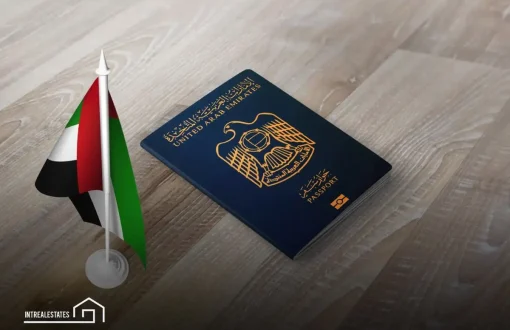

Dubai Property Purchase Laws

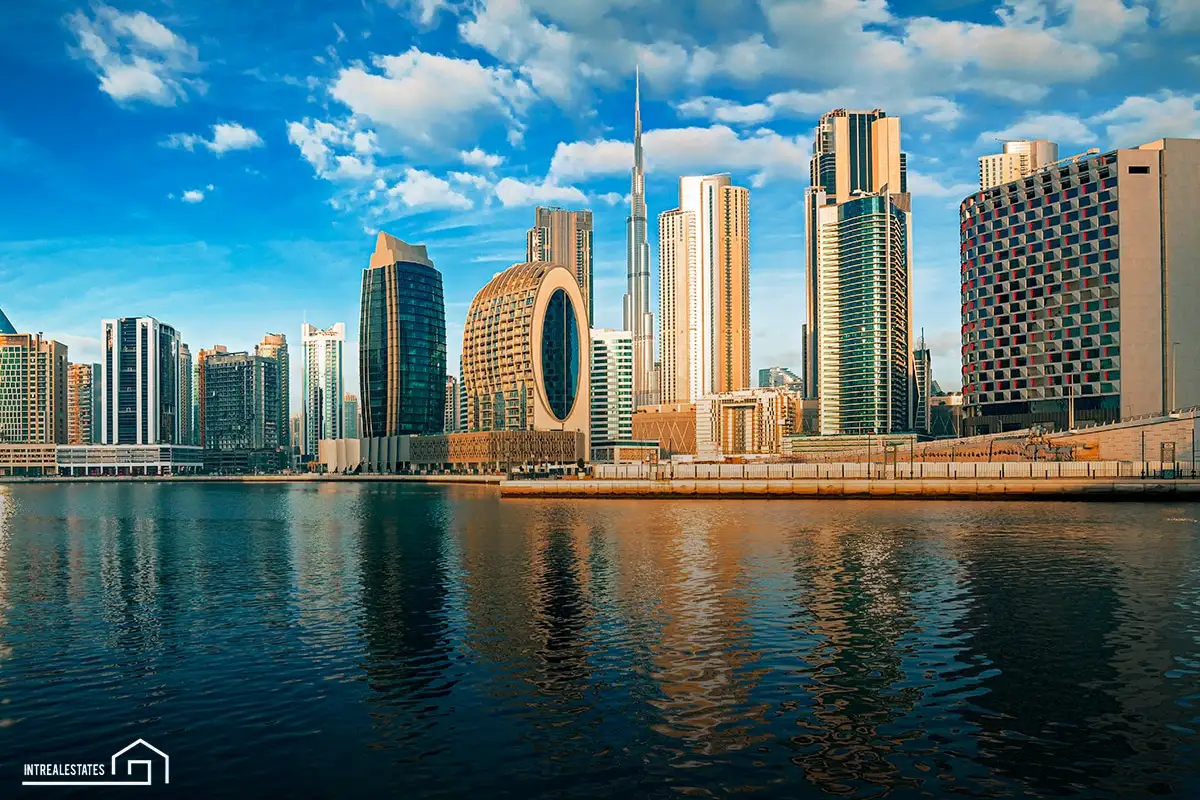
Have you ever wondered how you can invest in one of the world’s most dynamic real estate markets, Dubai? The laws for buying property in Dubai have their complexities, but by carefully studying this article, you will not only become familiar with all the legal and executive aspects of this process but also receive practical guidance for a successful and secure purchase. This article will help you make the best decision for your financial future and residency in this dream metropolis with complete awareness.
Dubai Property Purchase Laws: A Comprehensive and Specialized Guide for Investors
Dubai, the jewel of the Middle East, has always been an attractive destination for real estate investment due to its growing economy, world-class infrastructure, political stability, high security, and expat-friendly immigration laws. This city offers unparalleled opportunities for long-term residency and investment. Awareness of Dubai’s property purchase laws is vital for any foreign investor to ensure a transparent and profitable process. In this section, we will comprehensively and specializedly examine all details and conditions governing property purchases in this emirate.
Read more: buying property in Dubai on installments
1. Eligibility for Property Purchase in Dubai
Since 2002, foreign nationals have been able to purchase property in Dubai. However, the most important point is that foreigners are only permitted to invest in Freehold Areas. In these areas, the buyer has complete ownership of the unit and the land it occupies, and the ownership is permanent and transferable to heirs. Important areas designated for foreign ownership include:
- Palm Jumeirah
- The World Islands
- Downtown Dubai
- Burj Khalifa
- Business Bay
- Dubai Marina
- Emirates Hills
- Jumeirah Lake Towers (JLT)
- Jumeirah Beach Residence (JBR)
- Discovery Gardens
- Arabian Ranches1
- Dubai Investment Park (DIP)
- Falcon City
- Dubai Sports City
- Dubai Motor City
- International City
- Jumeirah Islands
- Jumeirah Village2
Important Note: You do not need to have UAE residency to buy property in Dubai; a valid passport is sufficient. However, you will need a residency visa to live in Dubai.
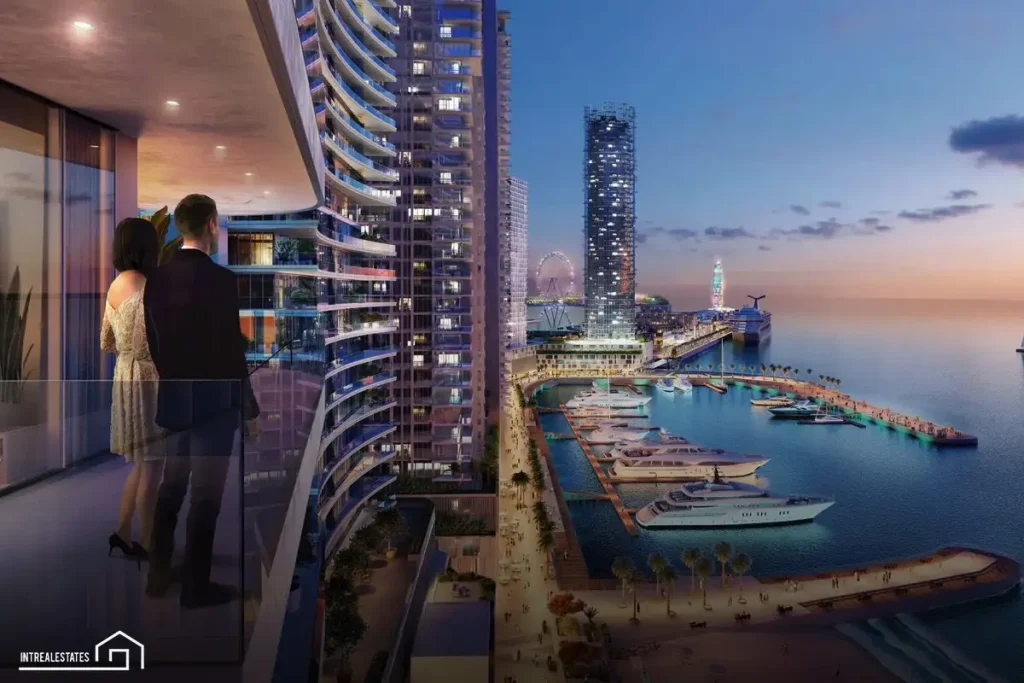
2. Types of Property Ownership in Dubai
Familiarity with the types of ownership is a crucial element in understanding Dubai’s property purchase laws. There are three main types of property ownership in Dubai:
- Freehold Ownership: This type of ownership provides the buyer with full and unlimited ownership rights, including ownership of the land and any structures built on it. This ownership is permanent and transferable to heirs. Most foreigners purchase properties as Freehold in designated Freehold areas.
- Usufruct and Long-Term Leasehold: In this case, you have the right to use the property for a specified period (usually up to 99 years). This type of ownership is available in certain areas and for some properties.
- Commonhold: This type of ownership usually applies to apartments. In this case, you have full rights to buy, sell, rent, or transfer the property, but you are responsible for paying maintenance fees for the building and common facilities (such as elevators, landscaping, swimming pool, and security).
3. Reasons for the Appeal of Property Purchase in Dubai
With its numerous advantages, Dubai has become more than just an investment destination; it has transformed into a lifestyle. Some of these reasons include:
- Tax-Free Investment: Dubai has no property tax or capital gains tax, which doubles the attractiveness of investment.
- Growing Economy and Real Estate Market: Dubai has a thriving real estate market with high rental yields, providing profitable opportunities for long-term growth. The market is predicted to grow by 8-10% in 2025.
- World-Class Infrastructure: From skyscrapers like the Burj Khalifa to beautiful beaches, Dubai combines luxurious living with exceptional amenities.
- Security and Stability: Dubai is one of the safest cities in the world with high living standards.
- Foreigner-Friendly Immigration Laws: Recent changes in property laws have made it easier for foreigners to buy homes in designated areas.
- Economic Diversity: Dubai’s economy is not dependent on oil resources, which makes it resilient to oil price fluctuations and brings greater stability for investors.
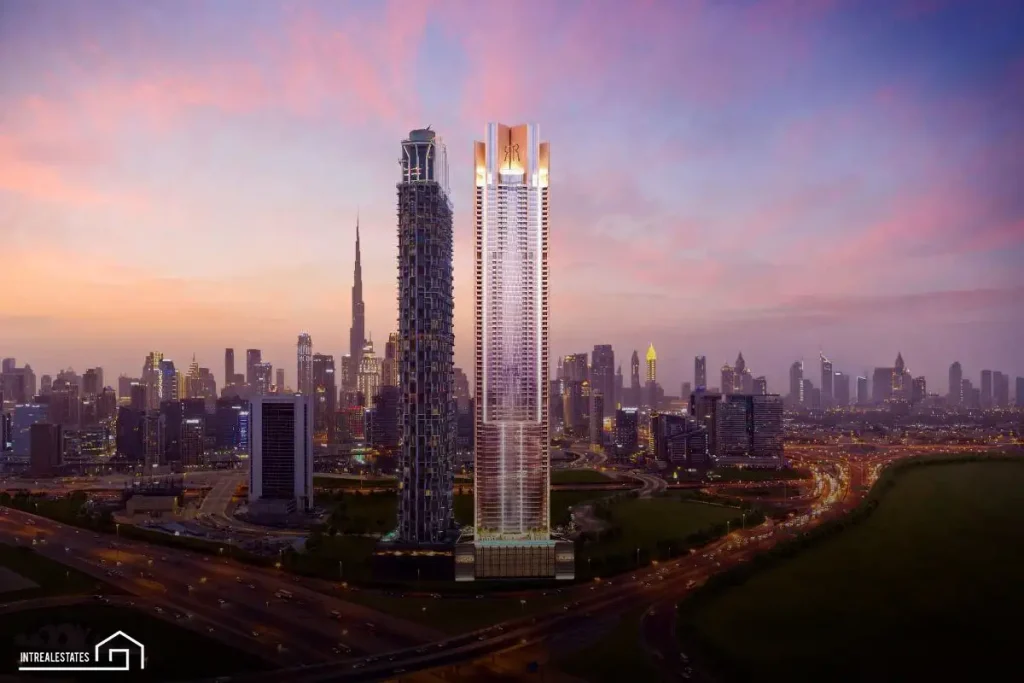
4. Residency Visa Through Property Purchase in Dubai
Purchasing property in Dubai can qualify you for a long-term residency visa. These visas are temporary and renewable but do not lead to permanent residency or UAE citizenship.
| Type of Visa | Minimum Property Value (AED) | Visa Duration |
| 2-Year Residency Visa | 750,000 | Renewable |
| 5-Year Residency Visa | 1,000,000 | Renewable |
| 10-Year Golden Visa | 2,000,000 | Renewable |
Important Notes Regarding Property Visas
- Family Residency: These visas allow for residency for yourself, your spouse, and children under 18.
- Presence Condition: To maintain residency, the owner must travel to Dubai at least once every 180 days to prevent the visa from being canceled. (However, for the 10-year visa, this presence condition may not be required).
- Investment Type: The investment amount for a residency visa must not be through a loan and must be paid in cash.
- Employment Restriction: You are not permitted to work or engage in commercial activities with a property visa.
Read more: Ain Dubai Observation Wheel
5. Property Purchase Process in Dubai
The process of buying property in Dubai differs slightly for ready properties and off-plan (under construction) properties:
A) Buying Ready Property (Resale Property)
- Loan Pre-Approval (for buyers with a loan): First, you should get pre-approval for a mortgage from your bank. Self-employed individuals may require a 40% down payment, while for salaried individuals, this amount can be 20%.
- Finding Property and Choosing a Real Estate Agent: Collaborate with a RERA-licensed real estate agent and ensure their credibility.
- Property Viewing and Inspection: View the property and, if necessary, conduct a technical inspection.
- Making an Offer and Signing the Memorandum of Understanding (MOU): After selecting the property, submit your offer, and upon acceptance, sign the MOU or Sale Agreement (Form F). Usually, 10% of the purchase amount is paid as an initial deposit, which is held by an authorized agent or the Land Department until the transaction is finalized.
- Obtaining a No Objection Certificate (NOC): The seller must obtain a No Objection Certificate (NOC) from the developer (or Owners Association). This certificate confirms that all service and maintenance fees for the property have been settled.
- Transfer of Ownership at the Dubai Land Department (DLD): The buyer and seller (or their legal representatives) must attend the registration trustee office (supported by DLD) to finalize the ownership transfer. After paying the full amount and relevant fees, the new title deed is issued in the buyer’s name. This process usually takes about 30 days.
B) Buying Off-Plan Property
Buying off-plan property means purchasing a property that is still under construction. This option is usually cheaper than ready properties and often comes with flexible payment plans.
- Developer Research and Verification: The best developers in Dubai include Emaar, DAMAC, Meraas, and Nakheel. Be sure to check the developer’s track record.
- Checking Project Registration with RERA and Escrow Account: This step is crucial. Ensure that the project is registered with RERA and that an Escrow Account exists for the project. All funds paid by buyers must be deposited into this escrow account, and the developer can only access it after project delivery. This rule protects the buyer against developer bankruptcy or non-completion of the project.
- Unit Selection and Payment Plan Study: Select your desired unit and review the payment plan, which includes installments at different construction stages.
- Booking Form and Initial Deposit Payment: Complete the booking form and pay an initial deposit (usually 10% to 15%).
- Signing the Sale and Purchase Agreement (SPA): Sign the Sale and Purchase Agreement.
- Registering Off-Plan Property with DLD (Oqoodi): The off-plan property must be registered through the “Oqoodi” system at the Dubai Land Department (DLD). This document confirms your ownership during the construction phase. The DLD fee for this registration is 4% of the purchase price.
- Installment Payments: Make payments according to the payment plan, usually through dated checks.
- Pre-Handover Inspection (Snagging): Once the property is ready, the developer will invite you to inspect the property and list any defects or issues.
- Final Payment and Title Deed Receipt: After construction is complete and final payment is made, the property is officially yours, and the title deed is issued by the DLD.
6. Costs and Fees for Buying Property in Dubai
In addition to the property purchase price and down payment, there are various other costs that must be considered when buying property in Dubai. These fees can add up significantly and are essential to budget for.
| Category | Type of Cost | Details of Cost | Description |
| Government & Registration Fees | |||
| Dubai Land Department (DLD) Fee | 4% of the property purchase price | This is a mandatory one-time tax paid to the government for the official transfer of ownership. It is typically split equally between the buyer and seller, unless otherwise agreed upon in the Sale and Purchase Agreement (SPA). This fee is non-negotiable and non-refundable. | |
| DLD Administrative Fee | For properties valued below AED 500,000: AED 2,000 + 5% VAT<br>For properties valued above AED 500,000: AED 4,000 + 5% VAT<br>Additional admin fee: AED 580 for apartments/offices, AED 430 for land, AED 40 for off-plan | This fee covers the cost of processing property transactions through an authorized trustee center and ensures compliance with UAE property laws. | |
| DLD Mortgage Registration Fee | 0.25% of the loan amount + AED 290 administrative fee | This fee is charged by the DLD to register the mortgage against the property if you are financing your purchase through a bank loan. Note: As of February 2025, buyers can no longer include this fee in their loan amount. | |
| Title Deed Fee | AED 500 (fixed) | A fixed fee for the issuance of the title deed. | |
| Oqood Registration Fee (for Off-Plan) | 4% of the property’s value + Administrative Charges (AED 250 – AED 500) + Knowledge Fee (AED 10 – AED 20 per transaction) | This fee is specifically for registering off-plan properties with the DLD through the Oqood system. It confirms your ownership during the construction phase and protects you as a buyer. | |
| Mortgage-Related Costs (if applicable) | |||
| Property Valuation Fee | Approximately AED 2,500 to AED 3,500 + 5% VAT | This fee is paid to the bank to assess the market value of the property you intend to purchase, which is a crucial step for loan approval. | |
| Loan Arrangement/Processing Fee | Usually 1% of the loan amount + 5% VAT | This fee is charged by the bank for processing your mortgage application and arranging the loan. This can sometimes be negotiable with the bank. | |
| Insurance Costs (Home & Life) | Home & Contents Insurance: Starting from AED 2 per day (approx. AED 730 annually) and up to AED 1,000+ depending on coverage and property size.<br>Life Insurance (for Mortgage): Typically 0.4-0.8% annually based on decreasing loan balance. | Home Insurance: Covers damages to the property and its contents from unforeseen events. Cost varies based on property size, type (apartment/villa), value of contents, and location.<br>Life Insurance: Often compulsory with a mortgage, it covers the outstanding loan amount in case of the borrower’s death, protecting both the bank and the family. Premiums vary based on age, health, and loan amount. | |
| Agent & Other Service Fees | |||
| Real Estate Agent Commission | Usually 2% of the purchase price + 5% VAT (for residential sales) | This is the fee paid to your real estate agent for their services in finding the property, negotiating, and facilitating the transaction. While 2% is standard for residential sales, it can vary for commercial properties or rentals. | |
| Conveyance Fee | Approximately AED 6,000 to AED 10,000 for residential properties. Can be higher for complex or high-value transactions. | This fee is paid to a conveyancing lawyer or firm that handles the legal aspects of the property transfer, ensuring all documents are in order and the transaction is legally sound. | |
| Initial Costs for Residency Application (if applicable) | |||
| Contract Registration Fee (Ejari) | AED 100 for online registration (via Dubai REST App/DLD website) + AED 10 Knowledge Fee + AED 10 Innovation Fee.<br>Via Real Estate Services Trustee Centers: AED 120 + AED 95 + VAT (service partners’ fees). | This refers to the Ejari registration fee, which is mandatory for all tenancy contracts in Dubai. While primarily for rentals, it’s relevant if you initially rent before purchasing or for investor visas. | |
| Residency Visa Application Fee | AED 100 | This is the application fee for the residency visa. | |
| Residency Visa Issuance Fee | AED 100 per year of visa validity (e.g., AED 200 for a 2-year visa, AED 500 for a 5-year visa, AED 1,000 for a 10-year Golden Visa) + AED 100 Smart Service Fees. | This is the fee for the actual issuance of your residency permit, based on the duration of the visa granted. | |
| Emirates ID Issuance Fee | AED 100 for 5 years / AED 200 for 10 years (based on residency validity) + AED 100 Smart Service Fees + AED 150 Expedited Service Fee (optional) | This fee is for obtaining your Emirates ID card, which is a mandatory identification document for all UAE residents. | |
| Medical Examination Fee | AED 220 for standard service.<br>Express/VIP services: AED 305 – AED 545. Additional fees for vaccination or specific categories (e.g., household domestic service). | A medical fitness test is mandatory for obtaining a UAE residency visa. The cost varies depending on the speed of service (standard, express, VIP). | |
| Ongoing Costs (after purchase) | |||
| Service Charges | Typically AED 3 to AED 30+ per square foot per year. Averages: Discovery Gardens (AED 12.5/sqft), Dubai International City (AED 7/sqft), JVC (AED 10/sqft), Dubai Sports City (AED 10/sqft), Downtown Dubai (AED 11-41+/sqft), Palm Jumeirah & The Greens (AED 13/sqft), Dubai Marina & Business Bay (AED 15/sqft). | These are annual fees paid to the building management for the maintenance, repair, and administration of common areas and facilities (e.g., security, cleaning, landscaping, pools, gyms, elevators). They are calculated based on the property’s size and location. | |
| Chiller Fees | Monthly fee, typically AED 500 – AED 1,500 for apartments, AED 1,500 – AED 3,000 for villas. | These are monthly charges for air conditioning services, especially in buildings where district cooling is used. The cost varies significantly by community and property type. In some buildings, chiller fees might be included in service charges. | |
| Water & Electricity Bills (DEWA) | Based on consumption.<br>Typical unit prices: Electricity: AED 0.23-0.28 per kWh; Water: AED 0.003 per gallon.<br>Security Deposit (refundable): AED 2,000 for apartments, AED 4,000 for villas.<br>Activation Fee (non-refundable): AED 110 (for small meters). | These are monthly utility bills for water and electricity consumed in your property. Rates are tiered based on consumption. There’s an initial security deposit and a non-refundable activation fee when setting up the DEWA connection. |
7. Key Government Entities Regarding Dubai Property Purchase Laws
Two main government entities oversee Dubai’s real estate market, playing a key role in ensuring transparency and security of transactions:
- Dubai Land Department (DLD): Established in 1960, this entity is responsible for registering and supervising all property transactions in Dubai. DLD plays a crucial role in ensuring transparency, efficiency, and security in the real estate market and provides numerous services, including land and title deed registration, licensing for real estate professionals, and developing regulatory frameworks.
- Real Estate Regulatory Agency (RERA): RERA is the regulatory arm of DLD. RERA is responsible for setting legal frameworks, licensing developers and real estate agents, and overseeing their activities to protect buyer interests and the market. It also supervises escrow accounts for off-plan projects and can cancel stalled projects.
8. Other Important Points
- Legal Assistance: It is strongly recommended to seek assistance from a local lawyer specializing in real estate matters throughout the property purchase process to protect your rights.
- Agent Selection: Deal with RERA-licensed real estate agents.
- Document Translation: Documents in foreign languages must be authenticated and provided with official Arabic translations.
- Registration Deadline: Property transactions must be registered within 60 days from the date of contract signing, otherwise penalties will apply.
- Foreign Companies: The Dubai Land Department (DLD) does not allow foreign companies to directly own property in Dubai. Such companies must establish a subsidiary in Dubai’s Free Zones (such as Jebel Ali Free Zone or DMCC) and register the property in the name of that company.
Conclusion
Buying property in Dubai can be a profitable investment and a unique experience, provided it is done with full awareness of Dubai’s property purchase laws and related processes. From choosing the right type of ownership and area to understanding the costs and regulatory bodies, every step requires precision and planning. Economic stability, advanced infrastructure, and flexible immigration laws have made Dubai an attractive hub for international investors.
Given the continuous changes in laws, it is always recommended to visit the official websites of DLD and RERA for the latest information. The expert team at intrealestates, with years of experience in Dubai’s real estate market, is ready to provide free consultation and guide you through all stages of property purchase in this city. To ensure a secure and profitable investment and benefit from the experience of our experts, contact our consultants today.
(FAQ)
- Can foreigners buy property in Dubai? Yes, foreigners are allowed to buy property in Dubai’s Freehold Areas, and their ownership is permanent and transferable to heirs.
- Do I need residency to buy property in Dubai? No, you do not need UAE residency to buy property; a valid passport is sufficient. However, you will need a residency visa to live in Dubai.
- What types of visas can be obtained by buying property in Dubai? By buying property in Dubai, you can obtain a 2-year residency visa (with a minimum investment of AED 750,000), a 5-year residency visa (with a minimum of AED 1 million), and a 10-year Golden Visa (with a minimum of AED 2 million).
- What are the most important costs for buying property in Dubai? The most important costs include the 4% Dubai Land Department (DLD) fee, DLD administrative fees, real estate agent commission (2% + 5% VAT), and, if using a loan, valuation and loan arrangement fees.
- What is the role of the Dubai Land Department (DLD) and the Real Estate Regulatory Agency (RERA)? DLD is responsible for registering and overseeing all property transactions, and RERA is the regulatory arm of DLD, responsible for setting legal frameworks and overseeing developers and real estate agents.