

Guide to Renting Property in Dubai

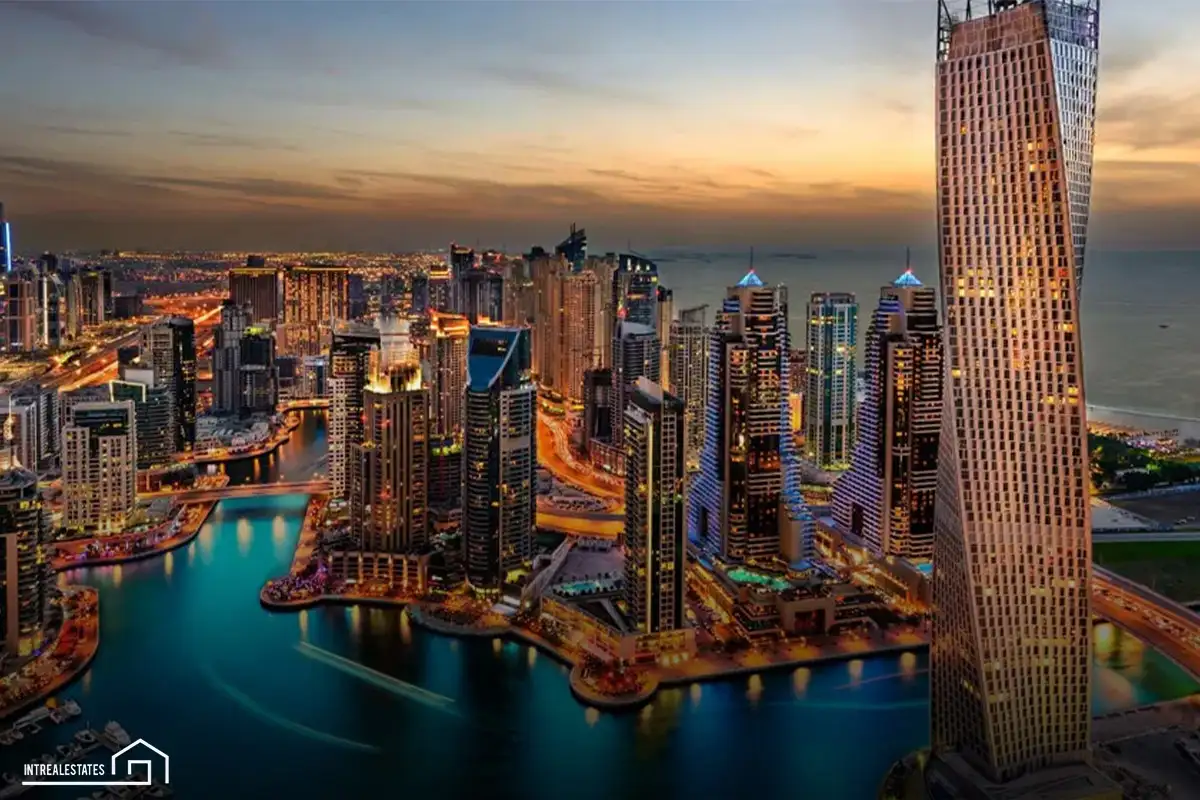
Have you ever dreamed of living in a dynamic and advanced city like Dubai? A city that offers countless opportunities and brings an unparalleled experience of luxurious and modern living. You might think the process of renting property in Dubai is complex and difficult, but don’t worry! This comprehensive and specialized article will guide you step by step through the process of renting property in Dubai, ensuring you find your dream home with full awareness and without any concerns.
By reading this guide, you’ll learn about essential details, hidden costs, and key tips for a successful rental in Dubai. Intrealestates, as a provider of various properties in Dubai, including buying apartments in Dubai, buying townhouses in Dubai, and buying penthouses in Dubai, is always by your side to introduce you to the best options according to your taste and budget, and to provide expert advice on buying property in Dubai or renting property in Dubai.
Read more: buying property in Dubai on installments
1. Initial Requirements for Renting Property in Dubai: Documents and Prerequisites
To begin the process of renting property in Dubai, understanding the legal requirements and necessary documents is of utmost importance. Without these prerequisites, you won’t be able to proceed with a long-term rental:
- Residence Visa/Permit: Having a valid residence visa is the cornerstone of starting the rental process. If your visa is under review, you can provide a letter from your employer or sponsor.
- Emirates ID: This national identification card is an essential document for all residents of the UAE.
- Passport Copy: Providing a copy of your passport and also obtaining a copy of the landlord’s passport for information matching is mandatory.
- Chequebook and Bank Account in the UAE: Most landlords prefer to receive rent via cheques, especially for multi-stage payments (Post-Dated Cheques).
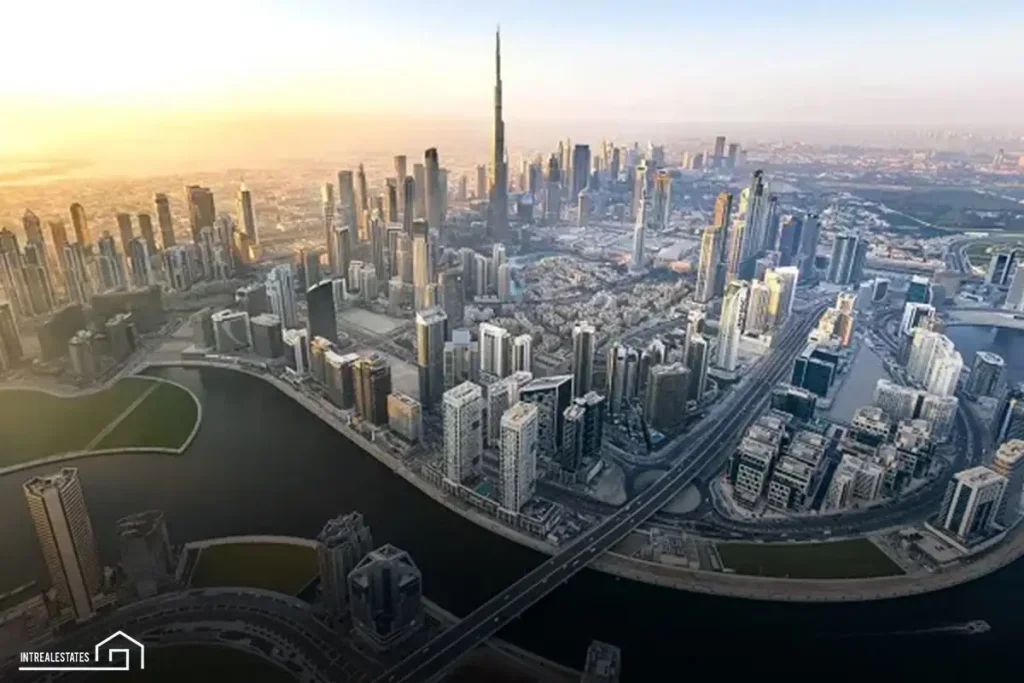
2. Searching and Selecting Property: Key Steps to Finding Your Ideal Rental Home in Dubai
Choosing a property in Dubai can be both attractive and challenging due due to the variety of options. Consider the following tips to find the right property in Dubai:
- Online Search: The best platforms to start your search are real estate websites like Intrealestates.
- Types of Properties: In Dubai, you can find various types of residential properties for rent, including apartments (from small studios to large 4 and 5-bedroom apartments and luxurious penthouses), villas (from 2-bedroom to very large homes with over 11 bedrooms), townhouses, and even hotel apartments.
- Defining Search Criteria: Before you start searching, have a general idea of the property type, budget, number of rooms needed, and desired location. You can filter search results by budget, property type, location, number of bedrooms, and bathrooms.
- Researching Neighborhoods and Buildings:
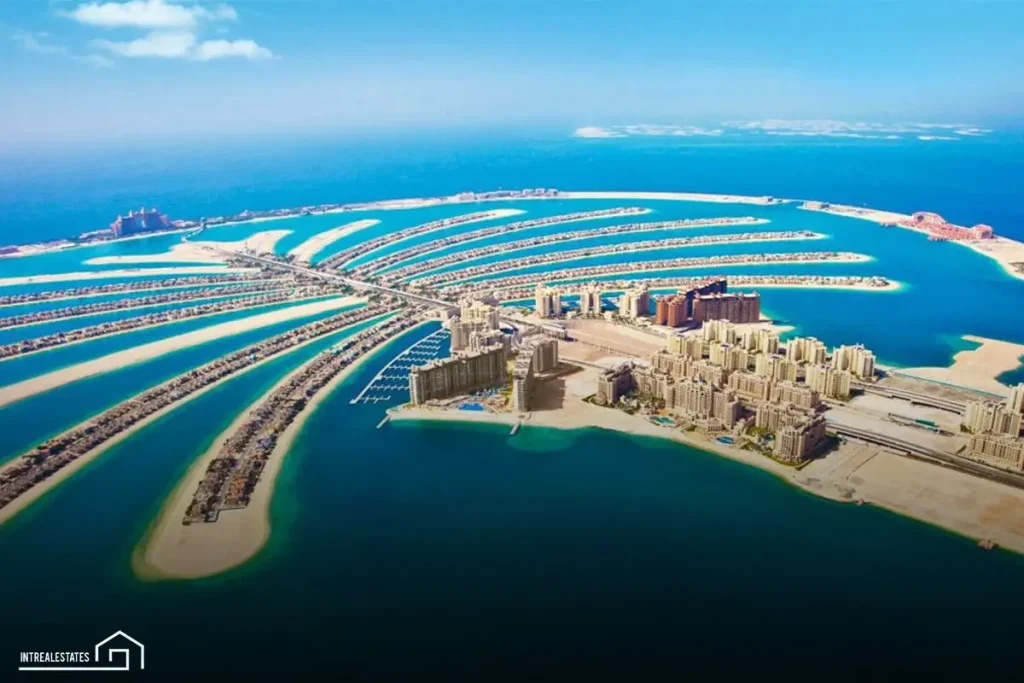
- Luxury and Urban Areas: Dubai Marina (a blend of urban and coastal living), Downtown Dubai (urban luxury), Palm Jumeirah, JLT, and Emaar Beachfront (which are usually more expensive).
- Quiet and Family-Friendly Areas: Dubai Creek Harbour (quieter than Marina) and Dubai Hills (suitable for families and green spaces).
- Affordable Areas: Jumeirah Village Circle (JVC) and Jumeirah Village Triangle (JVT).
Read more: Economy of Dubai
Important Tips for Property Viewing
- Check the Neighborhood: Before entering the property, check the neighborhood for noise, proximity to your workplace, access to public transportation, supermarkets, laundromats, and pharmacies.
- Check the Interior Condition: Ensure natural light, views, room space, condition of appliances and connections, need for repainting, plumbing functionality, and electrical outlets.
- Building Amenities: Check for dedicated parking, security measures (cameras, guards, intercom), and recreational facilities like a gym and pool.
- Viewing Time: Try to schedule viewings during busy and traffic hours to better understand the commuting situation.
- Furnished or Unfurnished: Decide whether you want a furnished or unfurnished unit.
3. Costs and Expenses of Renting in Dubai: Financial Transparency Before Renting Property
Renting property in Dubai involves multiple costs that are essential for financial planning and can significantly increase total expenses, especially initially:
| Type of Cost | Description | Approximate Percentage or Amount | Refundable |
| Annual Rent | Rents are usually quoted annually. Landlords prefer to receive rent in fewer cheques (e.g., one or two cheques), which typically allows for negotiation for lower rent. Cheques are usually post-dated. | Variable (depending on property type and location) | No |
| Agency Commission | This is usually between 2% and 5% of the annual rent and must be paid upfront to the agency. | 2% – 5% of annual rent | No |
| Security Deposit | This amount is received to guarantee the property’s condition at the end of the contract. | 1 month’s rent or 5% of annual rent (10% for furnished, 5% for unfurnished) | Yes |
| Ejari Registration Fee | This is a legal fee for registering your contract with the Dubai Land Department. | 200 – 300 AED | No |
| DEWA (Security Deposit) | A deposit for water and electricity services. | Apartments: 2000 AED, Villas: 4000 AED | Yes |
| DEWA (Activation Fee) | Includes meter activation and registration, knowledge, and innovation fees. | Small meter: 100 AED, Large meter: 300 AED + 30 AED registration, knowledge, and innovation | No |
| Monthly Housing Cost | 5% of the annual rent paid monthly in 12 installments to the Dubai government for expatriates, which is a type of residency tax. | 5% of annual rent (monthly) | No |
| Other Utilities (Water & Electricity) | Includes air conditioning (Chiller/AC), internet (Du and Etisalat), and gas (if using a gas stove). | Variable (depending on consumption and service package) | No |
Total Initial Costs: For example, for a property with an annual rent of 100,000 AED, you should expect to have at least 20% of the annual rent in cash for initial payments (first rent installment, agency commission, deposits, and other fees).
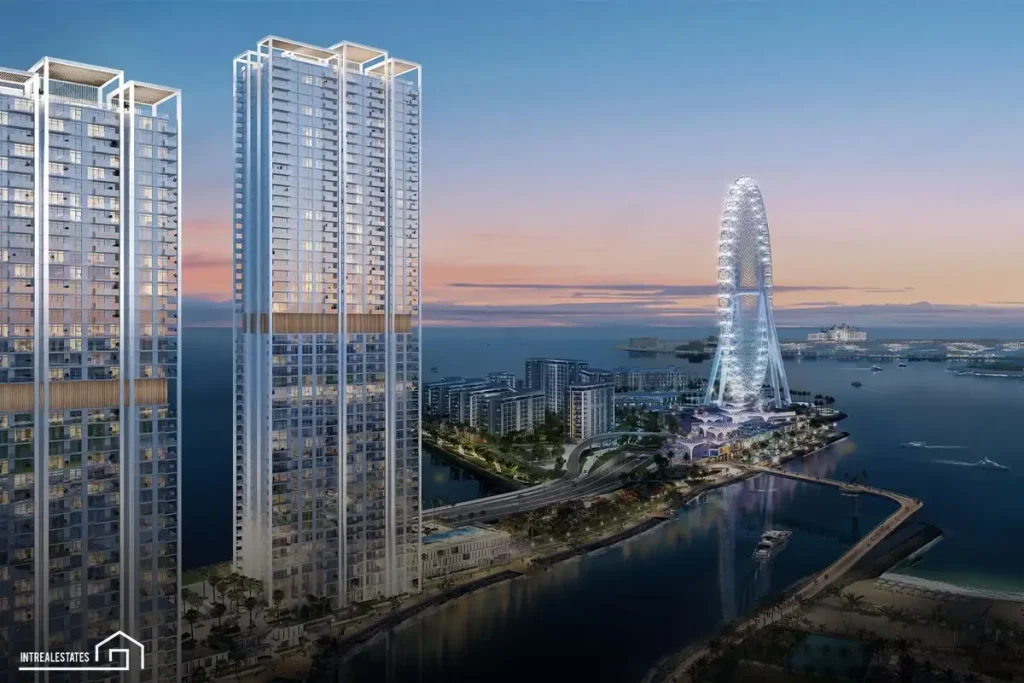
Read more: Ain Dubai Observation Wheel
4. Steps to Renting Property in Dubai: Step-by-Step Towards Homeownership
The process of renting property in Dubai is easily achievable by following these steps:
- Search and Shortlist
- After determining your criteria, start searching on real estate websites.
- Create a list of your favorite properties based on pictures, annual rent, amenities, and location.
- Contact the point person (usually a real estate agent or landlord) and arrange a physical viewing.
- Visit the Property:
- Prepare a list of questions before your visit.
- Arrive a little early and check the neighborhood.
- Inspect the property carefully, and if needed, arrange a second viewing at a different time.
- Make an Offer:
- After choosing a property, make your offer to the landlord. At this stage, you can negotiate to reduce the annual rent by paying with fewer cheques.
- Ensure your real estate agent is RERA-registered.
- Reserve the Property:
- To reserve the property, you must pay a security deposit (one month’s rent or 5% of the annual rent).
- Be sure to get a receipt for the deposit and keep it along with a copy of the landlord’s passport.
- To ensure full refund of the deposit at the end of the contract, take plenty of photos of the property’s current condition.
- Required documents at this stage include a copy of your passport and residence visa.
- Review and Sign the Tenancy Agreement:
- After paying the deposit, the agent will provide you with the tenancy agreement.
- Read the contract carefully and ensure you understand its terms and conditions.
- Make sure the landlord’s name on their passport matches the owner’s name on the title deed to prevent fraud.
- Once satisfied, sign the contract and hand it over to the agent along with the rent cheques and agency commission.
- Keep receipts for all payments and a copy of the contract for yourself.
- Ejari Registration:
- Registering the contract with Ejari is a crucial legal step that makes your contract legally valid in the emirate.
- You can do this online through the official Dubai Land Department website (dubailand.gov.ae) or by visiting one of the typing centers.
- Required documents include the original tenancy agreement, title deed (from the landlord), copies of the tenant’s and landlord’s passports, and a copy of the tenant’s Emirates ID.
- DEWA (Dubai Water & Electricity Authority) Connection:
- After signing the contract and registering Ejari, you must apply for water and electricity connection.
- You can do this online through the DEWA website or app.
- Required documents include the DEWA property number, Ejari number, copies of the landlord’s and your passports, and your Emirates ID. Services are usually activated within 24 hours of registration and payment.
- Ensure that previous DEWA or AC bills have been settled.
- Move-in Permit:
- Some popular communities in Dubai require tenants to obtain a move-in permit before occupying the property.
- These forms are usually available on the developer’s website, and processing can take up to 5 days.
- Communities like Downtown Dubai, Arabian Ranches, Dubai Marina, and Emirates Hills are among those that require this permit.
- Moving In:
- Once you receive the move-in permit, you can move into your new home.
- Again, it’s emphasized to take enough photos and videos of the property’s condition upon entry to avoid problems when moving out and reclaiming your deposit.
5. Important Tips and Recommendations for the Property Rental Process in Dubai
To have a successful experience renting property in Dubai, paying attention to the following tips is essential:
- Start Your Search Early: Begin your search at least a month before you need to move. This gives you enough time to find a suitable place and negotiate.
- Negotiate: Always negotiate the rental price and the number of cheques.
- Choose a Reputable Real Estate Agent: Work with agents who work for reputable companies and have a “SuperAgent” badge on Property Finder.
- Check “Verified” Listings: Use the “Verified” feature on Property Finder, which confirms the authenticity of documents, location, and price of the property.
- Tenant and Landlord Rights and Obligations:
- Landlord Obligations: Provide an English copy of the contract, a security deposit receipt, no rent increase during the one-year term, provide an inventory list for furnished properties.
- Tenant Rights: Carefully review the contract before signing, no obligation to renew the contract at the end of the term, make changes to the property only with the landlord’s consent.
- Contract Termination: Rental contracts in Dubai are usually annual. If you terminate the contract early, you typically have to pay two months’ rent as a penalty and give two months’ notice.
- Dispute Resolution: In case of any dispute with the landlord, you can file a complaint with the Rent Disputes Settlement Centre at the Dubai Land Department.
- Pets: If you have pets, make sure the building and neighborhood you are considering are pet-friendly.
- Consult a Specialist: If possible, ask a legal expert or someone who has lived in the UAE for some time to review your contract.
- Organize Documents: Carefully keep all important documents such as the tenancy agreement, security deposit receipt, and utility deposit receipts.
Conclusion
The guide to renting property in Dubai that you’ve read provides a clear path for your entry into the exciting rental market of this city. By understanding the initial requirements, knowing the types of properties, fully comprehending the costs, and diligently following the steps, you can confidently find your ideal home and enjoy life in Dubai. Whether you’re looking to buy property in Dubai or intend to rent property in Dubai, our expert consultants at Intrealestates are ready to provide free and specialized advice. We introduce you to various properties for buying apartments in Dubai, buying townhouses in Dubai, and buying penthouses in Dubai, and we’ll be with you every step of the way, from searching to signing the contract. Contact us and build a bright future for yourself in Dubai. Intrealestates is your reference for informed decision-making in Dubai real estate, and we’ll even guide you on opportunities like “Is it better to buy property in Dubai or Turkey?”