

Is buying property in Dubai better or Spain?


Have you ever considered investing your assets in international properties instead of saving them? If you are confused between the stunning markets of Dubai and sunny Spain, you are not alone. Many investors face the high growth potential and tax exemptions of Dubai versus the stability and residential appeal of Spain.
But for an informed decision, which path offers you greater return and security? Reading this article will help you identify your primary investment intent (whether fast profit, or residency and stability) through a comprehensive and specialized comparison, and find a definitive answer to the question: Is buying property in Dubai better or Spain?
A Deep Look at the Dynamics of the Dubai and Spain Property Markets
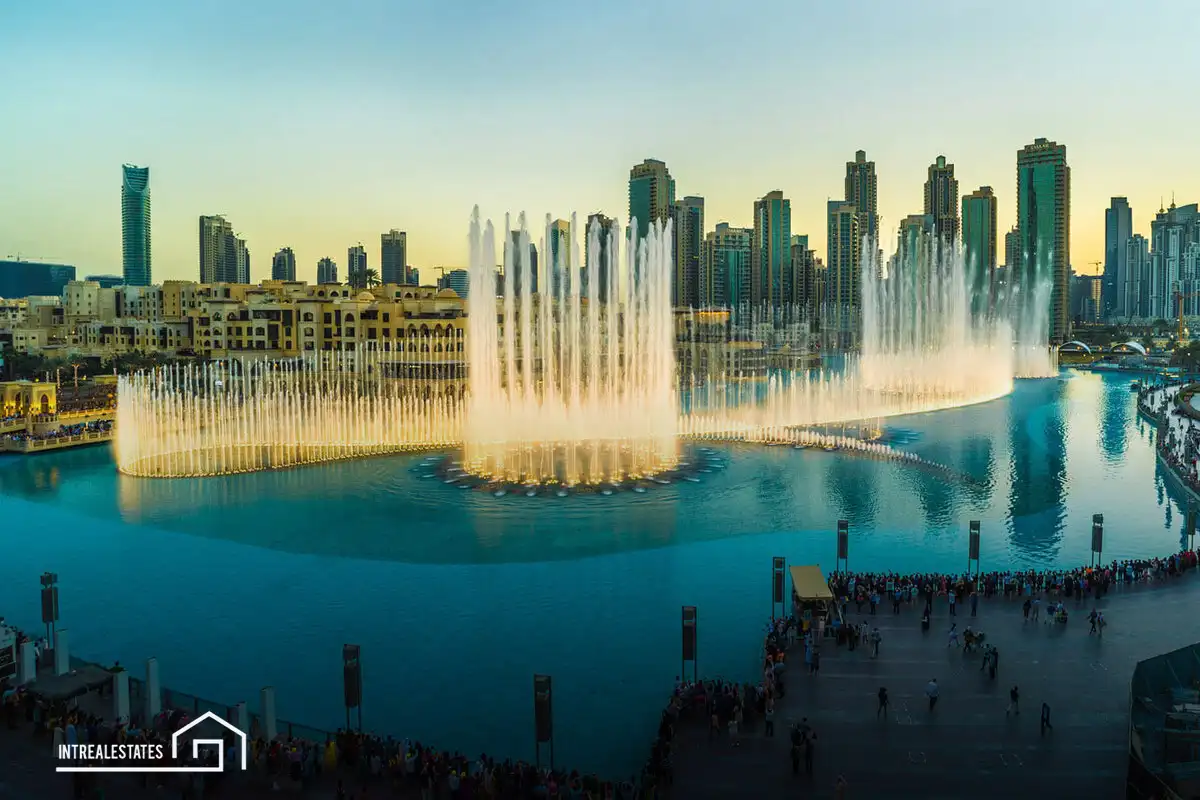
The real estate markets of Dubai and Spain are each founded on different pillars that attract specific types of investors. Dubai, located on the coast of the UAE, is a symbol of progress, ambition, and groundbreaking architecture.
It is known as one of the fastest-growing cities in the world, a global hub for business, tourism, and property investment. The price per square meter in Dubai varies between €2,800 and €4,600, and these figures increase in popular areas like Property in Dubai Marina and Downtown Dubai.

Experts predict an annual price growth of about 3% to 6% in Dubai, which can be 5% to 7% in elite areas. This growth potential makes Dubai an excellent choice for investors seeking to increase their asset value. In contrast, Spain, with its attractive blend of rich culture and Mediterranean lifestyle, has been drawing investors for decades. Property prices in major cities like Barcelona and Madrid, where the square meter can reach €4,000 and above, indicate a more stable market.
Growth potential in Spain is more stable and less aggressive, predicted at around 2% to 4% annually or 3% to 5% in resort areas like Marbella.
Specialized Analysis of the Buying Process and Market Regulations
The process of buying property in Dubai and Spain has deep structural differences that affect the speed, security, and transaction costs. The Dubai market is highly regulated and directly supervised by the Dubai Land Department (DLD) and RERA. These bodies ensure high transparency and prioritize investment security.
It is interesting to note that only a passport is required to buy an apartment in Dubai, and due to strict government regulations, the presence of a lawyer is not mandatory (although recommended for specialized consultation). Furthermore, foreigners can only purchase property in designated Freehold Areas, such as Palm Jumeirah and Property in Business Bay.
In contrast, the Spanish market is less centralized, and the buying process requires more administrative steps, including obtaining a Foreigner Identification Number (NIE), which can take several weeks, and opening a local bank account. The presence of Attorneys is also a crucial part of the process in Spain to ensure the necessary due diligence is performed.
Examination of Tax Implications and Investment Returns
Is buying property in Dubai better or Spain from a tax perspective? The answer is clear. Dubai offers an income tax-free or capital gains tax-free system for international investors, which means maximizing the investor’s net profit. Even the annual Property Tax in Dubai is negligible, up to 0.5% of the property value. The only significant cost is the 4% transaction registration fee upon purchase. These tax exemptions make Dubai an ideal destination for those seeking maximum profitability.
In comparison, Spain applies income and capital gains tax, which can significantly reduce investors’ net profit. Property purchase tax is also about 6% to 10% of the property value, and the annual property tax is between 0.4% and 1.1% of the cadastral value.

In terms of Rental Yield, Dubai offers a more dynamic environment with higher returns at a rate of 7% to 9% annually, especially in short-term rentals. However, Spain provides more stability and comfort for long-term investors with yields of 4% to 6% annually. Therefore, buying a Penthouse in Dubai or a Townhouse in Dubai is a very attractive option for quick income due to the high potential for short-term rental to tourists.
Comparing Conditions for Obtaining Residency and Golden Visa with Property Investment
One of the most important decisions for international investors is the possibility of obtaining residency and a visa.
Spain (EU Residency Advantage)
By purchasing a property in Spain with a minimum value of €500,000, investors can obtain the Spanish Golden Visa for themselves and their family members. This visa allows free travel to 26 Schengen countries and is a gateway to obtaining permanent residency and a Schengen passport. This option is a great advantage for those seeking European quality of life and access to the European Union.
Dubai
In Dubai, although direct permanent residency is not available, by purchasing property with a minimum value of AED 2 million (approx.), the investor can receive a renewable 10-year Golden Visa for themselves and their family. This visa provides long-term stability in a secure, zero-tax environment with world-class infrastructure.
Lifestyle, Economy, and Running Costs
Choosing between these two countries requires considering the concerns of individuals who plan to reside in the new city. Dubai has high economic growth and 0% personal income tax, making it suitable for highly skilled professionals. The cost of living in Dubai is higher than in Spain, and the annual property maintenance cost in luxury areas can be €3,000 to €5,000. Dubai also has modern and world-class infrastructure.
In contrast, Spain has a stable economy due to its membership in the European Union, but its unemployment rate is higher. The cost of living in Spain is reasonable and more affordable, and annual property maintenance costs are typically €1,000 to €2,000. Both countries have a high level of security.

Summary
Ultimately, the answer to the question Is buying property in Dubai better or Spain depends on your investment goals and personal preferences. Dubai is the ultimate destination for investors seeking high, quick returns (7-9%) from short-term rentals, long-term growth, and tax exemption.
Dubai offers a profit-centric investment environment focused on resale, and interest-free payment plans for off-plan projects reduce the required initial capital. Spain, however, is attractive for investors who prioritize stability, quality of life, and access to Europe (with the possibility of obtaining Schengen residency) and are looking for more stable returns (4-6%).