
🌙 Ramadan in Dubai

Have you ever wondered what life is like in Dubai during a holy religious month? Does this situation affect your plans to buy property in Dubai? A trip to Dubai during the holy month of Ramadan can be a unique and distinct experience.
As an Islamic city where the majority of residents are Muslim, Dubai implements significant changes in its public customs and regulations during this month to respect this valuable tradition. This article is a comprehensive and specialized guide for those who plan to purchase property in Dubai while getting acquainted with the city’s culture and laws. By reading this concise and accurate content, you will not only learn about the customs and traditions governing Ramadan in Dubai but will also see how this time can provide special opportunities for visiting and investing in this metropolis.
Benefits of Traveling to Dubai during Ramadan
Ramadan is actually an excellent time to visit Dubai and explore opportunities for buying an apartment in Dubai or any other type of property. The benefits of traveling to Dubai during Ramadan (considering your concerns about peace and saving money) include:
- Unique Cultural Atmosphere: An unparalleled opportunity to absorb Dubai’s rich culture, participate in lavish Iftar buffets, and enjoy the nightly festivities.
- Peace and Reduced Crowds: Due to a decrease in the number of tourists, Dubai has a calmer and more pleasant atmosphere, allowing for easier visits to various areas and property projects.
- Discounts and Favorable Prices: Ramadan is a suitable time for a more affordable trip, as hotels offer significant discounts on accommodation, many provide complimentary Iftar for their guests, and flights and tours have better prices.
- Discounted Shopping: Dubai’s luxury shopping malls offer attractive discounts and special sales for visitors.
- Easier Access to Attractions: Enjoying smaller crowds at famous places like the Dubai Mall and Burj Khalifa, and no need to wait in line for water parks.
- Nightly Celebrations and Decorations: The entire city and shopping centers are illuminated and decorated with a Ramadan theme, creating a beautiful and festive atmosphere.

Customs and Traditions of Dubai’s People in Ramadan
The customs and traditions of Dubai’s people during the holy month of Ramadan are a reflection of deep Islamic traditions and are generally similar to other Muslim countries. People engage in worship and fasting during this month, mosques are often open 24 hours a day, and families usually make necessary preparations a week before the start of the holy month, buying new clothes for their children.
On the first night of Ramadan, families traditionally break their fast at the home of the family elder out of respect. People in the city are very hospitable to guests during the holy month, and the possibility of being invited to an Iftar spread is high. Offering dates with warm water is considered a valuable custom, and one of the city’s special ceremonies is the firing of a cannon at the time of Iftar, which is fascinating for foreign visitors. Restaurants do their best to host with special Iftar and Suhoor meals, and the most beautiful Iftar ceremony is held in front of the Sheikh Zayed Grand Mosque. Famous Iftar Foods in Dubai:
| Famous Food | Description |
| Harees | A staple Emirati dish similar to Halim (a porridge-like dish), made from meat and crushed wheat, also called the “heart of Dubai’s cuisine.” |
| Samosa | Usually served as a snack and appetizer, containing meat, vegetables, or cheese. |
| Majboos | A traditional Gulf dish, similar to Indian Biryani, cooked with chicken and aromatic spices. |
| Dates | They gain special importance in Ramadan due to the tradition of the Prophet Muhammad, and fasters usually break their fast with dates. |
| Aseeda Bobar | An old and delicious dessert made from pumpkin, flour, sugar, saffron, and cardamom, which can be excellent for easy digestion. |
General Restrictions During Ramadan in Dubai
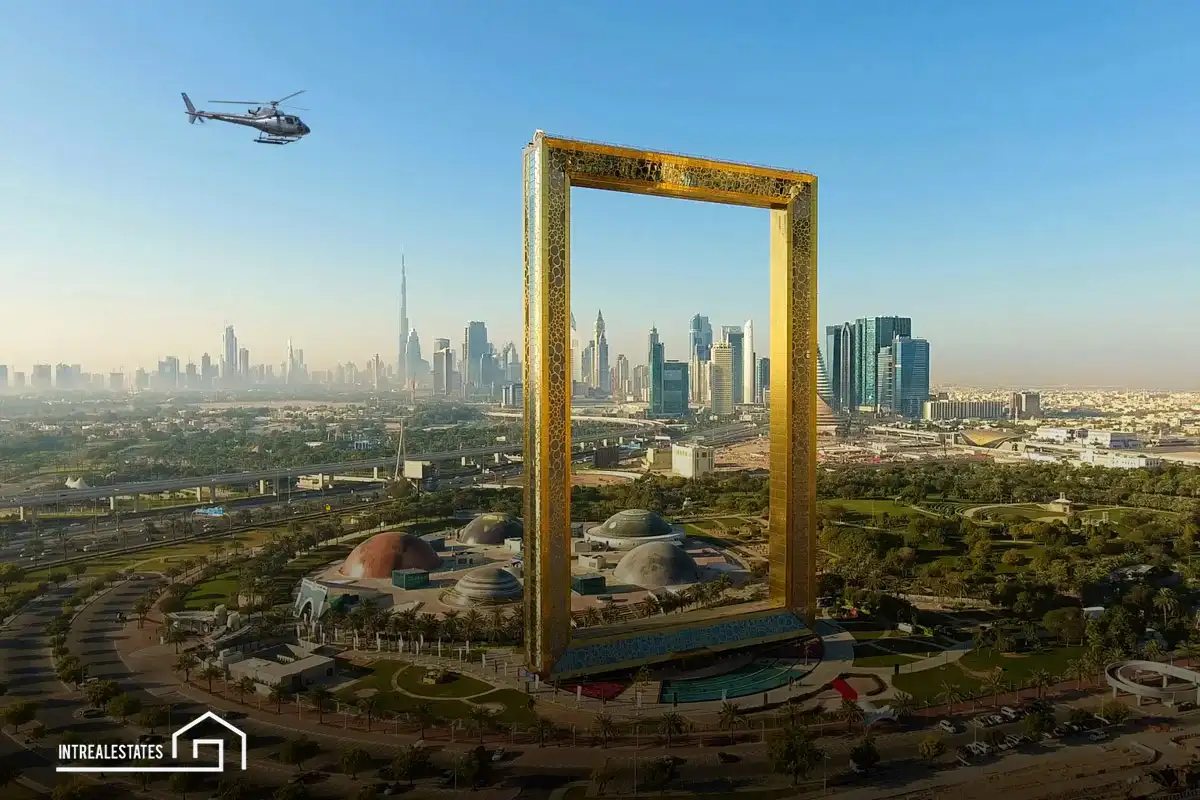
Adhering to Ramadan rules in Dubai is essential for everyone, residents and tourists alike, to maintain respect for the local culture, although regulations have become slightly more relaxed in recent years.
Eating and Drinking in Public
During the holy month of Ramadan, from sunrise to sunset, eating, drinking, smoking, and even chewing gum in all public places in Dubai are strictly prohibited out of respect for those fasting. This rule applies to non-Muslim residents and tourists as well, and violating it can lead to imprisonment and fines. However, many restaurants and cafes continue to operate during the day, but consuming food and beverages is only permitted inside their enclosed and covered spaces and must not be done in public view.
Serving Alcohol
The serving of alcoholic beverages is completely stopped during the daytime hours of Ramadan. This means a complete ban on the sale of alcohol during the day. After Iftar until Suhoor, alcohol service is permitted only in designated, licensed venues and strictly for non-Muslim individuals. Applicants are required to present ID to verify their age (over 21) and nationality. Furthermore, drinking alcohol in public places and driving after consuming it are prohibited all year round, and the enforcement is stricter during this month.
Inappropriate Dress Code
During Ramadan in Dubai, general dress code rules become slightly more conservative to show respect for local culture and traditions. The strong recommendation is to avoid wearing revealing, very short, or tight clothing in public places, and tourists should preferably wear clothes that cover the shoulders and knees. Of course, in private settings like hotel swimming pools and private beaches, the normal dress rules for tourists apply and there is no compulsory hijab; however, even on public beaches, more modest and cautious clothing is recommended.
Disrespectful Behavior
Disrespectful and aggressive behavior, although banned in Dubai all year, is monitored more strictly during Ramadan. Any bad temper, insult, or strong public display of affection, such as hugging or kissing, must be completely avoided. Furthermore, taking photos of people or properties without prior permission is considered a serious violation of Dubai’s laws and should be strictly avoided to maintain the peaceful atmosphere of this month.
Music and Dancing
In line with maintaining peace and respecting the spiritual atmosphere of Ramadan, playing loud music, dancing, and revelry in public places are prohibited. Bars, restaurants, and cruise ships are not allowed to host live performances, concerts, or use dancers, and if music is played, it must be very quiet and gentle. Nightclubs are generally closed during this month or severely limit their activities. Also, playing loud music inside a car is not allowed, although listening to music with headphones is fine.

Operation of Centers During Ramadan in Dubai
Most tourist attractions and entertainment centers in Dubai continue to operate during Ramadan without interruption, but operating hours change slightly.
Restaurants and Cafes
Many restaurants and cafes continue their normal operations during the daytime hours of Ramadan and serve breakfast and lunch, but these services are provided exclusively in covered and hidden locations away from public view. However, their peak activity is from Iftar until Suhoor, during which time they welcome customers with a variety of dishes, lavish buffets, and special Ramadan discounts. Due to high crowding during Iftar and Suhoor hours, it is strongly recommended to make reservations in advance.
Shopping Malls and Stores
Dubai’s large shopping malls, including Dubai Mall and Mall of the Emirates, not only remain open during Ramadan but often extend their working hours, staying active late into the night. These centers, with special Ramadan decorations and attractive seasonal discounts and sales, become a hub for late-night shopping and sightseeing. Supermarkets and grocery stores also continue their normal operations without any interruption to supply the daily needs of residents and tourists.
Entertainment and Water Parks
All of Dubai’s famous tourist attractions, entertainment venues, and water parks like Wild Wadi Waterpark and Atlantis, are active throughout Ramadan, and there is no prohibition on their operation. It is noteworthy that due to the reduced number of tourists during the day, these places become less crowded, and visitors can enjoy their fun without having to wait in long queues. Other activities such as desert safari, hot air ballooning, and cruise ships also operate as scheduled.
Special Ramadan Attractions
Ramadan in Dubai itself becomes a special cultural attraction. The city and shopping centers are decorated with Ramadan illuminations, and a festive atmosphere prevails. Among the most important attractions are the setting up of “Iftar Tents,” which host guests with magnificent Iftar and Suhoor. Also, Ramadan markets are held to introduce local culture and history, and large festivals and fireworks displays on the first two nights of Eid al-Fitr in various parts of the city (such as Bluewaters Island and Global Village) turn this period into an unforgettable experience.
Government Office Hours in Dubai During Ramadan
Based on official UAE regulations, the working hours of government departments and many private sectors in Dubai are typically reduced by two hours during Ramadan. This reduction in working hours is implemented to facilitate fasting for Muslim employees and to respect the spiritual atmosphere of the holy month, and non-Muslim employees can usually benefit from this rule as well. This means that administrative and official tasks are performed during shorter hours of the day, and the focus shifts to nighttime activities after Iftar.
Transportation Rules During Ramadan in Dubai
During Ramadan in Dubai, the timetables for some public transport services may undergo minor changes, which should be checked through the relevant systems before use. The important point regarding transportation is the challenge of accessing taxis in the evening hours, especially close to Iftar time, as many Muslim drivers stop to break their fast. Therefore, to avoid delays, it is recommended to book a taxi in advance during these hours. Also, parking hours may change, and discounts may be applied at certain times.
Conclusion
Ramadan in Dubai, like the city’s other cultural traditions, is held with the aim of strengthening solidarity and kindness. Traveling to the city during Ramadan can be an excellent and unique opportunity due to the calmer atmosphere, reduced crowds, and special discounts; especially for those looking to buy a villa in Dubai or a penthouse in Dubai in areas such as property in Dubai Marina and property in Jumeirah, and who wish to view projects up close in a peaceful environment.
A trip to Dubai during Ramadan is like walking in a winter garden full of trees that are calm and quiet during the day, but as soon as the sun sets, they blossom with colorful lights and the pleasant scent of food, providing a cheerful and vibrant atmosphere until Suhoor. In fact, Dubai has spiritual peace during the day and hosts a grand celebration at night. By observing public rules and respecting fasters, tourists can fully enjoy the city’s attractions and nightly festivities.